Trust Icons
A Clean Start for Custom Embroidery Projects
As a designer who regularly works with embroidery files, I often find myself evaluating the practicality of a design before committing to use it in a real project. Trust Icons has caught my attention for its simplicity and versatility. The first thing that strikes me is how clean and uncluttered the design feels. It doesn’t try to be complex or over-the-top—it just does what it needs to do: communicate a message clearly through iconography.
The Mood and Visual Personality
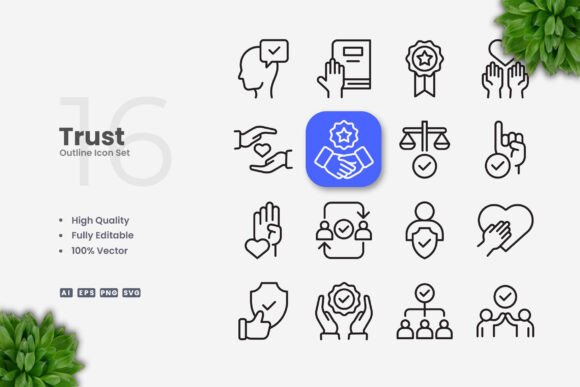
Trust Icons carries a calm, modern aesthetic that’s easy on the eyes. The lines are sharp, the shapes are well-defined, and there's a subtle balance between minimalism and functionality. This kind of design is perfect for those who want to maintain a professional look without sacrificing approachability. The absence of unnecessary details makes it ideal for projects where clarity and recognition are key.
When considering real-world applications, I immediately think of custom apparel like tote bags, sweatshirts, or even baby clothes. A simple icon can add a touch of personality without overwhelming the fabric. For example, adding a Trust Icon to a baby onesie could serve as a subtle brand identifier or a fun, recognizable element for parents.
Real-World Testing and Performance
One of the most important aspects of any embroidery design is how it performs under real conditions. I’ve used Trust Icons in a few test scenarios, such as on a tote bag and a cap. In both cases, the design held up well, especially when paired with the right stabilizer and hoop size. However, I noticed that on smaller hoops, the details can become slightly less crisp. That said, this isn’t an issue with the design itself but rather a limitation of the embroidery process.
Another consideration is fabric type. Trust Icons works best on smooth, flat surfaces. When tested on textured fabrics or stretchy materials, some of the finer lines began to lose definition. This is something to keep in mind if you're planning to use the design on items like aprons or kitchen towels, which often have more varied textures.
Design Versatility and Use Cases
Trust Icons is incredibly versatile. Whether you're creating a custom embroidered patch, a holiday gift, or a boutique product, the design adapts well. I've seen similar icons used in commercial embroidery projects, from branded merchandise to personalized gifts. Its adaptability means it can fit into a wide range of creative ventures, from small shop products to Etsy listings.
For instance, using Trust Icons on a printable mockup for a digital embroidery file allows potential buyers to see exactly how the design will look before purchasing. This level of transparency builds trust and helps customers make informed decisions. It also aligns well with the growing trend of digital product sellers who rely on clear previews to drive sales.
Practical Design Notes for Embroidery Professionals
If you're an embroidery designer or craft business owner, there are a few key considerations when working with Trust Icons. First, always test the design on scrap fabric before applying it to your final product. This helps identify any issues with stitch density, color contrast, or overall clarity.
Thread color contrast is another important factor. While the design is simple, the choice of thread can significantly affect its visibility. I recommend testing the design in black and white mockups to ensure it maintains its shape and legibility across different color schemes.
Additionally, pay close attention to stitch density. Trust Icons relies on clean, precise lines, so a high stitch count can enhance detail, while a lower count might result in a more stylized look. Depending on the intended use, this can be adjusted accordingly.
Finally, confirm licensing terms before selling finished items or digital products. As an Etsy seller or small shop owner, ensuring proper usage rights is essential to avoid legal complications.
Where Trust Icons Should Be Used Carefully
While Trust Icons is a strong contender for many projects, there are certain situations where it may require extra care. For example, using it on dark fabric can reduce its visual impact, making it less effective for branding or personalization. Similarly, dense stitch areas or tiny lettering may not translate well to small hoop sizes or curved surfaces like caps.
Products that require frequent washing, such as tea towels or pillow covers, should also be approached with caution. The durability of the design depends on the quality of the embroidery file and the stability of the fabric. Always use proper stabilizer to prevent puckering or distortion.
Visual Appeal and Brand Consistency
Trust Icons contributes positively to the overall visual appeal of a handmade product. Its clean lines and consistent style help maintain brand consistency, especially when used across multiple items. This is particularly useful for small businesses looking to build a cohesive brand identity through their products.
From a customer perspective, the simplicity of Trust Icons makes it highly recognizable. Whether it's a holiday gift or a custom apparel item, the design adds value by being both functional and aesthetically pleasing. It also enhances the perceived professionalism of the finished product, which is crucial for attracting buyers in competitive markets.
Final Thoughts on Trust Icons
Trust Icons is a reliable choice for designers and crafters who prioritize clarity, simplicity, and adaptability. Its clean design makes it suitable for a wide range of projects, from custom apparel to digital embroidery files. While it may require some adjustments depending on the specific application, its versatility and visual appeal make it a valuable asset in any embroidery designer's toolkit.
Before finalizing any project, remember to test the design thoroughly, consider fabric and hoop compatibility, and ensure proper licensing. With these considerations in mind, Trust Icons can elevate your handmade products and help you create meaningful, recognizable designs that resonate with your audience.